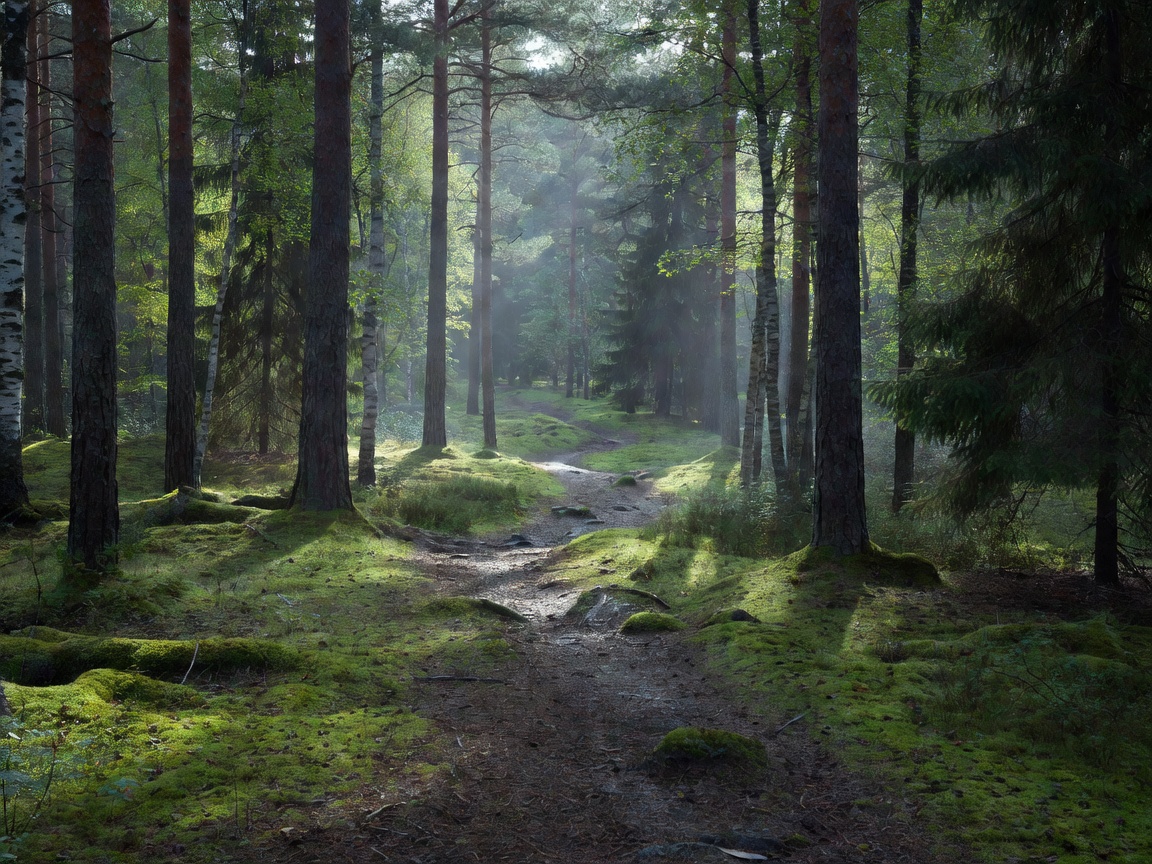
Forest accommodation places people inside a living landscape. The experience depends on more than the view from a window: paths, neighbouring buildings, sound, season and visitor behaviour all matter. A secluded appearance does not confirm exclusive access or guaranteed silence. This guide helps set practical expectations and reduce unnecessary disturbance. It does not promise wildlife sightings, privacy or particular natural conditions.
Understand visual and sound privacy
Cabin spacing, window direction, vegetation and shared outdoor areas shape visual privacy. Ask whether other cabins, roads or public trails are nearby. Check whether outdoor seating faces a shared route. Seasonal changes matter: leaf cover can screen a view in summer and open sightlines in winter. A promotional image may show a single angle or a particular time of year. Request factual information about the setting if privacy is important to your decision.
Sound travels differently in open water, dense woodland and quiet winter conditions. Nearby roads, maintenance work, other visitors, wind and wildlife can all be audible. No location can guarantee silence. If you are sensitive to noise, ask about known shared facilities and access routes. Bring suitable ear protection if you use it at home, and avoid creating amplified sound outdoors. Respect posted quiet hours and the privacy of neighbouring guests.
Wildlife awareness without expectations
Animals move according to season, food, weather and disturbance. A forest stay does not guarantee an encounter or a clear view. Observe from a distance. Do not feed, approach or follow wildlife. Keep food and waste secured according to local instructions, and keep pets controlled where they are permitted. If you see an animal near a building, give it space and avoid blocking its route. Follow relevant local advice for species and protected areas.
Outdoor lighting can affect the feel of a dark setting and may disturb nearby people or animals. Use only the light needed to move safely. Close curtains when indoor light would reduce privacy or create glare. Keep to established access where possible, especially around wetlands, young planting and fragile ground. Avoid cutting branches or making new paths unless permission is explicit.
Use paths and land responsibly
Access rules differ between countries, regions, land types and individual sites. Do not assume a general right to roam permits entry into private buildings, gardens, marked conservation areas or restricted facilities. Check local signage and accommodation instructions. Stay on durable paths when ground is wet or easily damaged. Close gates as directed, leave no litter and take care not to disturb forestry or farm operations.
Outdoor plans should match your ability and the conditions. Forest tracks may be uneven, muddy, icy or unlit. Tell someone your intended route if you are going beyond the immediate cabin area, and carry navigation suitable for the terrain. Do not rely on a marked trail being maintained in every season. Check daylight and weather before setting out, then turn back if conditions no longer suit the plan.
Natural light and cabin orientation
Tree cover affects daylight, shade and views. A clearing can provide more sky and light but may also feel more exposed. A cabin oriented toward a lake may face a shared shoreline or a public route. Consider which rooms receive morning or evening light and how windows relate to outdoor seating. If darkness is a concern, review seasonal daylight for the destination rather than assuming Nordic regions share the same pattern.
Advantages and trade-offs
A forest setting can offer immediate access to natural surroundings and a slower outdoor rhythm. Greater separation may reduce nearby visual activity, but it can also mean more limited services, darker paths and greater responsibility for preparation. Close tree cover can feel sheltered while reducing daylight. Shared trails can improve access while bringing other visitors nearby. Decide which factors matter most instead of treating “private” or “nature-facing” as a complete description.
Key considerations
- Ask about cabin spacing, shared paths, neighbouring buildings and outdoor areas.
- Check local access rules, seasonal restrictions and site signage.
- Keep wildlife at a distance. Do not feed or pursue animals.
- Limit outdoor light, noise, litter and off-path travel.
- Assess trail surfaces, daylight and weather before leaving the cabin.
Good for
This guide is for travellers seeking a nature-led setting, people comparing privacy expectations, and anyone planning walks or outdoor time around a remote cabin. It is especially useful when travelling with children or pets, subject to local rules.
What to check
Confirm access permissions, route conditions, nearby shared spaces, pet rules, outdoor lighting and any local conservation guidance. Ask direct questions instead of relying on broad terms such as secluded or wildlife-rich.
Related guides
Learn about landscape and remoteness, window placement and cabin layout, and pre-trip checks.