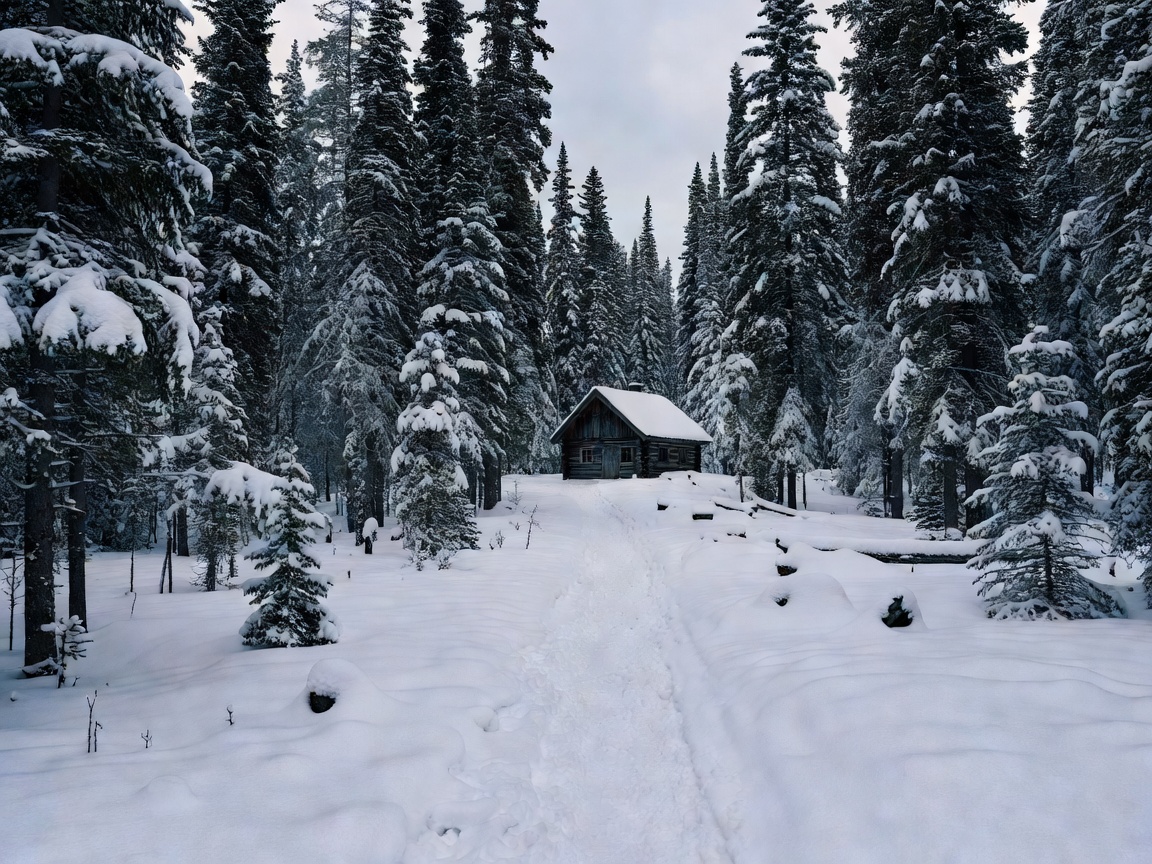
A winter lodge stay can involve snow, rain, ice, wind or changing conditions within a short period. The season does not guarantee a particular landscape. Build plans around current forecasts and local road information, then leave time for delays. This guide covers preparation, not live weather or property-specific operating advice.
Confirm heating before arrival
Ask how the main heating system works and where its controls are. Check whether the accommodation has written instructions and whether any supplementary appliance has specific operating rules. Do not assume that a wood stove, fireplace or portable heater is intended for unsupervised use. Follow safety guidance, keep required clearances and contact the responsible host if instructions are missing. General advice cannot establish whether a particular system is adequate for a particular building.
Allow time for an unfamiliar cabin to warm up. On arrival, locate the thermostat, ventilation controls and any heating instructions before unpacking. Keep vents unobstructed. Wet clothing and cooking release moisture into indoor air; use ventilation as directed. Cold window surfaces may show condensation, especially when indoor humidity is high. Report unusual or persistent damp rather than trying to solve a building issue without guidance.
Dress for stationary and active time
Layering works better than relying on one heavy item. Use a base layer, insulating layer and outer layer suited to the forecast. Bring warm socks, gloves or mittens, a hat and clothing that can handle moisture. Pack indoor layers too; a warm cabin does not remove the need for suitable clothing during entry, loading or a heating interruption. Keep spare dry clothing accessible rather than buried under luggage.
Footwear should match the approach and planned activities. Insulated boots with suitable traction help on snow and compacted paths, while waterproof footwear may suit wet conditions. Bring indoor shoes if the floor is cold or wet boots need to stay near the entrance. Check whether the path from parking to the door is lit, cleared or uneven. Do not assume that a remote outdoor area is maintained like a public pavement.
Short daylight and changing travel conditions
Daylight hours vary substantially across Nordic regions and seasons. Check local sunrise and sunset times for your dates. Plan the final drive and unfamiliar access route with enough light where possible. If arrival after dark is unavoidable, obtain clear directions, parking information and entry instructions in advance. Keep a charged phone and a backup light available. A delay can turn a simple final approach into a more difficult task.
Check road updates shortly before departure and again if conditions change. Allow for slower driving, reduced visibility and longer braking distances. Confirm whether winter tyres or other equipment are legally required for your route and vehicle; requirements vary by jurisdiction and date. Carry essential supplies appropriate to the journey. Do not rely only on a navigation app to assess road suitability or current closures.
Frozen surfaces and outdoor access
Snow can conceal stones, roots and drainage channels. Ice may form near steps, water edges and shaded paths. Walk at a pace suited to footing and use marked or permitted routes. Never infer that a lake or pond is safe to cross because it looks frozen. Ice conditions are local and can change. Follow current local guidance and keep away from uncertain surfaces.
Advantages and trade-offs
Winter can bring quieter outdoor spaces, low-angle light and a different view of the forest. It also adds clothing, heating, road and daylight considerations. Travel may take longer and some services can have reduced hours. Snow cover and activities vary; do not plan around guaranteed snowfall, frozen water, northern lights or uninterrupted access.
Key considerations
- Confirm heating controls, safe-use instructions and a support contact.
- Pack layers, dry spares, suitable footwear and a portable light.
- Check the forecast, road reports and daylight times close to travel.
- Plan the final approach and arrival instructions before leaving coverage.
- Stay off uncertain ice and follow local access guidance.
Good for
This guide is for travellers visiting during cold or low-light periods, people driving on unfamiliar routes, and anyone who wants to understand the practical side of a winter cabin stay.
What to check
Ask about heating, entry access, snow clearing, parking, check-in timing, supplied equipment and what to do if conditions delay arrival. Verify local rules and weather independently.
Related guides
See how remoteness affects access, cabin design and heating basics, and the complete trip checklist.